If you’ve been told a material in your home contains “bonded asbestos” rather than the friable kind, you’ve probably had two reactions at once: relief that it’s the less dangerous category, and uncertainty about what that actually means for you. Bonded asbestos is genuinely lower-risk than friable asbestos, but lower-risk isn’t the same as no-risk. Here’s what bonded asbestos is, what it looks like, and when it’s time to call a Sydney asbestos removal company to arrange professional bonded asbestos removal.
What Is Bonded Asbestos?
Bonded asbestos is asbestos fibre that’s been mixed into a solid binding material, usually cement, so the fibres are locked in place rather than loose in the air. It’s also called non-friable asbestos, meaning it can’t be crumbled to powder by hand pressure when dry. This is the form used in the vast majority of asbestos-containing products installed in homes, which is why it’s the category most people encounter without realising it.
Is Bonded Asbestos Dangerous?
Only if it’s disturbed. While intact and in good condition, bonded asbestos keeps its fibres sealed within the cement matrix, so it isn’t releasing airborne particles. The danger appears the moment that binding is broken, through drilling, cutting, sanding, cracking, or weathering, because that’s what frees the fibres to become airborne and inhalable. Bonded asbestos left undisturbed is low-risk; bonded asbestos that’s damaged, deteriorating, or about to be renovated around is a different situation entirely, and exactly when professional bonded asbestos removal is worth arranging.
What Does Bonded Asbestos Look Like?
Typically, it appears as flat or corrugated grey cement sheeting, though decades of painting, rendering, and weathering mean the colour can range from off-white to brown to a chalky pale green. It’s hard, rigid, and dense to the touch, often with a pitted or dimpled texture on the underside. It does not flex, crumble, or feel fibrous the way friable asbestos products do. That rigidity is actually one of its more reassuring features, it’s harder to accidentally damage than loose-fill insulation or pipe lagging.
What’s the Difference Between Bonded and Friable Asbestos?
The difference is physical state, not fibre type. Friable asbestos can be crumbled by hand when dry, meaning fibres are already loosely held and can become airborne with minimal disturbance, think old pipe lagging or sprayed insulation. Bonded asbestos is cement-locked and structurally stable. Friable materials are treated as higher risk by default and usually require urgent professional attention; bonded materials in good condition can often be safely managed in place.
Where Is Bonded Asbestos Commonly Found?
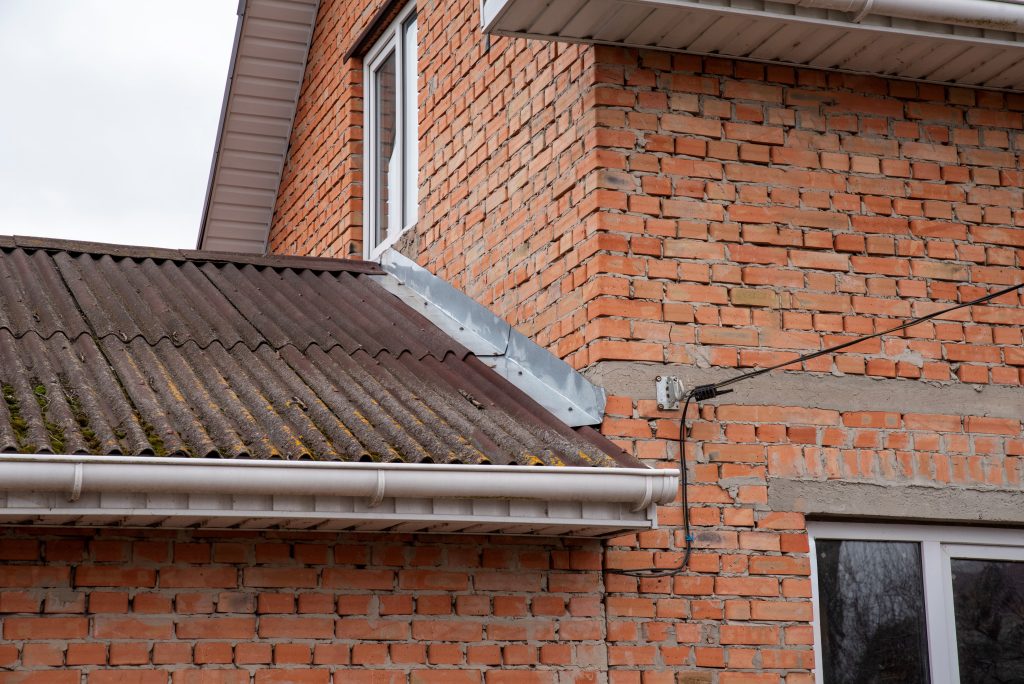
In older homes, bonded asbestos cement shows up as external wall cladding, eaves, fencing, garage walls, roofing sheets, and guttering or downpipes. It was also used in internal wet areas like bathrooms and laundries, often beneath later renovations. This is especially common in older Sydney suburbs with a higher asbestos risk. If a property falls within the age range most likely to contain asbestos, any of these elements should be treated as suspect bonded asbestos until confirmed otherwise.
Can You Drill, Cut, or Paint Over Bonded Asbestos?
Painting over intact, undamaged bonded asbestos is generally considered low-risk and is a common way to maintain it in place. Drilling, cutting, sanding, or pressure-washing it is a different matter entirely, these actions can break the cement bond and release fibres, even though the material is classified as non-friable asbestos. The classification describes the material’s current state, not what will happen to it under disturbance.
Does Bonded Asbestos Need to Be Removed?
Not automatically. Bonded asbestos in good condition, left undisturbed, is often safely managed through a monitored asbestos management plan rather than removal. Bonded asbestos removal becomes necessary when the material is damaged, deteriorating, flaking, or when renovation or demolition work will disturb it. Age and weathering can also gradually compromise the cement bond, which is why periodic condition checks matter even for material that’s been stable for years.
How Do You Know If Bonded Asbestos Has Started to Deteriorate?
Visible warning signs include cracking, chipping, crumbling edges, exposed fibrous texture, or a chalky surface that comes off on your hand when touched. Weathering, impact damage, and previous unsafe drilling or cutting are the most common causes of bonded material shifting toward a friable, higher-risk state. If you notice any of these signs, that’s the point where “monitor it” should become “get it assessed.”
Can I Identify Bonded Asbestos Myself?
You can narrow down the probability, age of the building, material type, and the visual warning signs to look for are all useful indicators, but you can’t confirm it by eye. Bonded asbestos cement can look virtually identical to modern, asbestos-free fibre cement sheeting, since both are grey, rigid, and used in the same applications. The only way to know for certain whether a material is bonded asbestos, and what condition it’s really in, is a sample collected and tested by an accredited laboratory, the same step that precedes any licensed bonded asbestos removal work.
Why Work With a Licensed Class B Asbestos Removalist?
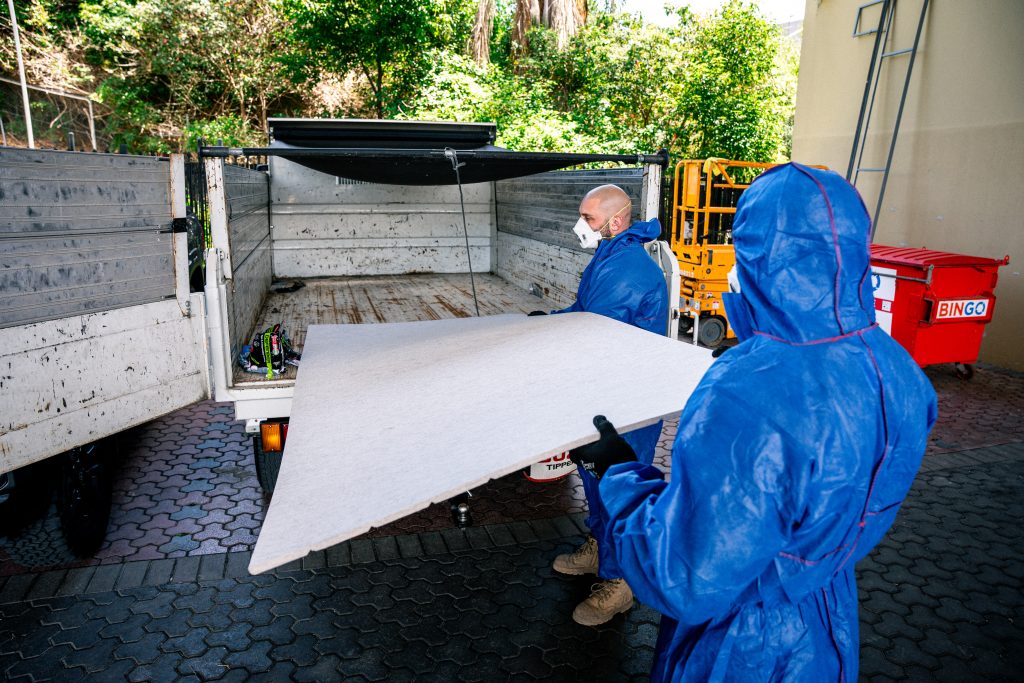
BreathEASY Asbestos holds a Class B Asbestos Removal Licence, which authorises our team to legally identify, manage, and remove bonded (non-friable) asbestos in residential and commercial properties. This licence is issued only after demonstrating the training, equipment, and safe work procedures required to handle bonded asbestos without putting a household at risk, so it’s the credential to check for before anyone touches a suspected material. As a trusted Asbestos Removal Sydney provider, our licensed status means homeowners get a compliant, properly documented removal or management plan rather than an informal job that could leave fibres behind.
Get a Clear Answer From BreathEASY Asbestos
Bonded asbestos isn’t a reason to panic, but it is a reason to get certainty rather than guess. Our licensed team at BreathEASY Asbestos can assess the condition of suspected bonded materials in your home, arrange accredited testing, and advise honestly on whether monitoring, encapsulation, or bonded asbestos removal is the right next step. Contact BreathEASY Asbestos today to book an inspection and breathe easy knowing exactly what you’re dealing with.