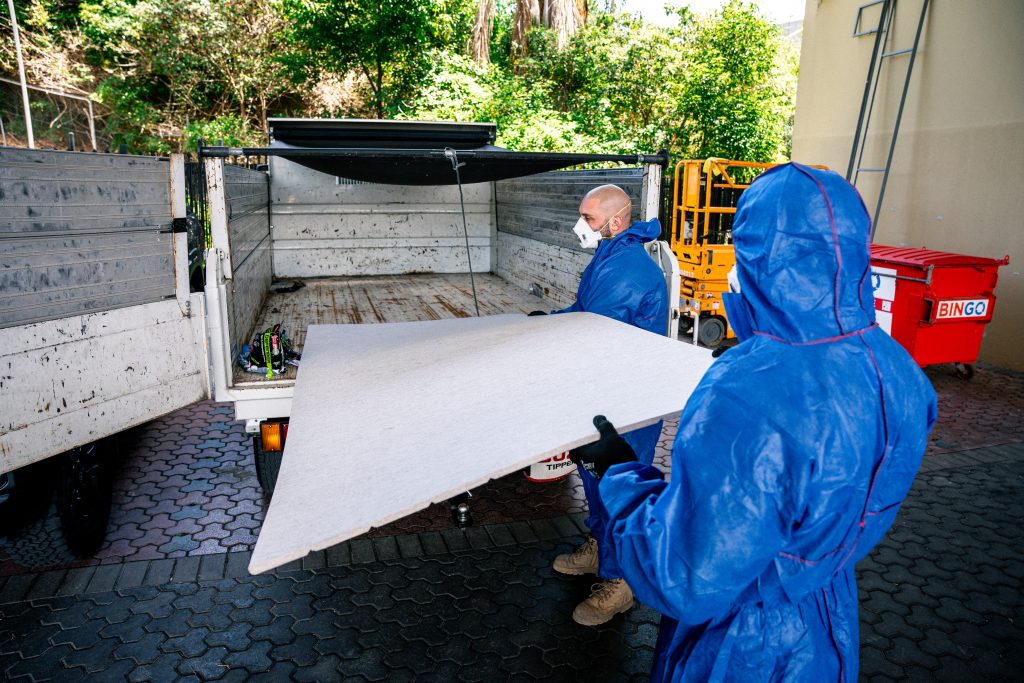
That moment of spotting an old cement sheet, a cracked floor tile, or a strange fibrous material and wondering if it’s asbestos is more common than you’d think, and what you do in the next few minutes actually matters. Before booking a Sydney Asbestos Inspection to confirm what you’re dealing with, there are a few simple, important steps to follow, and a few things you should avoid doing altogether. NSW Government guidance is clear on this: if you think a material may be asbestos, treat it as asbestos, stop what you’re doing, and seek professional assistance rather than disturbing it further.
What Should I Do If I Find Asbestos in My House?
Stop whatever activity led you to notice it, whether that’s renovation work, a repair, or simply cleaning near the material. Avoid touching, sweeping, or moving it any further, and if anyone else is nearby, let them know to steer clear of the area too. From there, your next step is arranging a professional assessment rather than trying to confirm or manage the situation yourself.
What Should I Do If I Think Something Is Asbestos?
Treat it as asbestos until proven otherwise. This is the exact standard NSW Government recommends, since assuming the best and continuing on is precisely how accidental exposure happens. It doesn’t matter whether you’re only 50% sure or genuinely convinced, the safe response is the same either way: stop, don’t disturb it, and get it properly assessed.
Should I Touch Suspected Asbestos?
No, never touch, scratch, sand, or attempt to break off a piece of suspected asbestos yourself. Undisturbed, intact asbestos in good condition generally poses low risk, but handling it, even out of curiosity, risks releasing fibres into the air that wouldn’t otherwise be there. If you’ve already touched it, wash your hands thoroughly and avoid touching your face until you can do so.
Should I Remove Suspected Asbestos?
Not yourself, in almost all cases. Removal, even of a small section, needs to follow specific legal and safety requirements depending on whether the material is friable or non-friable, and how much is involved. Attempting removal without proper containment, protective equipment, and disposal arrangements is one of the most common ways people expose themselves and their household to airborne fibres. A licensed asbestos removalist should assess and, where necessary, remove the material safely.
Should I Stop Renovating If I Find Asbestos?
Yes, immediately, for any work in the affected area. Continuing to cut, drill, sand, or demolish around suspected asbestos-containing material is exactly the kind of activity that releases fibres into the air. This doesn’t necessarily mean your entire project grinds to a halt, work in unaffected areas of the property can often continue, but activity specifically involving or disturbing the suspect material needs to stop until it’s been assessed.
Who Can Test Asbestos in My Home?
A licensed asbestos assessor, working alongside a NATA-accredited laboratory, is the appropriate professional to confirm asbestos content. They’ll carefully collect a sample using methods designed to avoid releasing fibres during collection, then send it for laboratory analysis, typically using polarised light microscopy, to determine whether asbestos is present and, if so, what type.
Should I Get an Asbestos Inspection?
Yes, if you have any reasonable suspicion a material in your home might contain asbestos. An inspection gives you a clear, documented answer rather than ongoing uncertainty, and it allows any necessary next steps, whether that’s leaving the material safely in place or arranging removal, to be planned properly rather than rushed or guessed at.
What Happens After Asbestos Is Found?
Once a material is confirmed, the appropriate next step depends on its type and condition. Asbestos Removal Sydney professionals typically assess whether the material is friable or non-friable, and whether it’s in good, stable condition or damaged and deteriorating. From there, you’ll generally receive a recommendation to either manage the material safely in place, with periodic monitoring, or arrange licensed removal, particularly if it’s due to be disturbed by upcoming renovation work.
Does Asbestos Always Need to Be Removed?
No, not necessarily. Undisturbed, bonded asbestos in good condition can often be safely left in place and simply monitored over time, rather than removed immediately. Removal becomes the clear priority when material is damaged, deteriorating, friable, or scheduled to be disturbed by renovation, demolition, or ongoing wear.
Can I Leave Asbestos Undisturbed?
Yes, in many cases, provided it’s non-friable, in good condition, and unlikely to be disturbed by any planned activity. Asbestos left safely in place, sealed and undamaged, generally poses very low risk to occupants. What matters is knowing its location and condition, documenting it, and checking on it periodically, rather than simply forgetting about it once it’s been identified.
Get a Clear Answer, Not Ongoing Uncertainty
Finding suspected asbestos doesn’t need to derail your plans or cause ongoing anxiety, it just needs the right first steps. Stop, avoid disturbing it, and get a proper assessment. Our licensed team can test suspected materials anywhere on your property and advise on whether it’s safe to leave in place or needs to be removed. Contact us today to arrange an inspection.