Once a business confirms asbestos is present, the next question is almost always practical rather than legal: what actually happens now? How disruptive will this be? Can we keep operating? How long before we can safely use the space again? These are entirely reasonable concerns, and understanding the real Sydney Commercial Asbestos Removal process, from initial containment through to final clearance, helps take the uncertainty out of what can otherwise feel like a daunting project.
How Is Asbestos Removed From Commercial Buildings?
Commercial asbestos removal follows a structured, staged process designed to contain the material, protect everyone on site, and confirm the area is genuinely safe once work is complete. It isn’t a matter of simply pulling out old materials and disposing of them. The level of containment and precaution required depends on whether the material is bonded (non-friable) or crumbly (friable), but the underlying goal is always the same: prevent fibres from becoming airborne, and fully contain them if they do.
What Happens During Commercial Asbestos Removal?
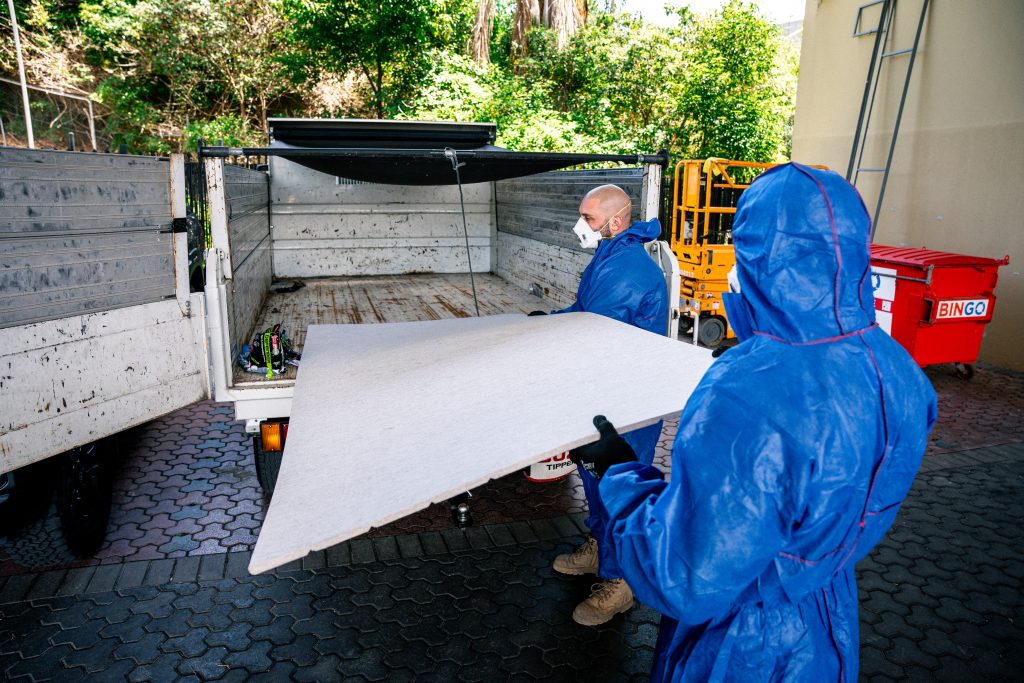
Work begins with sealing off the affected area using heavy-duty polythene sheeting, tape, and airlock entry systems, physically separating it from the rest of the building. For larger jobs or any friable asbestos work, negative air pressure units fitted with HEPA filtration are installed, continuously drawing air inward through the enclosure so that even if the barrier is accidentally breached, fibres are pulled in rather than escaping out. Materials are dampened before removal, since wet fibres are far less likely to become airborne than dry ones, then carefully removed, double-bagged, and labelled as asbestos waste ready for transport to a licensed disposal facility.
What Are the Steps Involved in Asbestos Removal?
A typical commercial removal follows this general sequence: site assessment and planning, containment setup, negative air pressure installation for larger or friable jobs, careful removal and immediate bagging of materials, worker decontamination before leaving the enclosure, thorough HEPA-filtered cleaning of the site, independent clearance inspection and air monitoring, and finally, issue of a clearance certificate confirming the area is safe to reoccupy.
How Long Does Commercial Asbestos Removal Take?
Timelines vary considerably based on the quantity and type of asbestos, accessibility, and the size of the site. A small, contained bonded asbestos job might be completed within a day or two. Larger commercial jobs, particularly those involving friable asbestos across an extensive area, can take anywhere from several days to a few weeks once containment setup, removal, decontamination, and the clearance process are all factored in. Air monitoring for these larger friable jobs typically runs for the full duration of the work, which naturally extends the overall timeline compared to a straightforward bonded material removal.
Can a Business Operate During Asbestos Removal?
Often, yes, particularly if the affected area can be fully sealed off from the rest of the premises and the two zones don’t share ventilation or access points. Many commercial removal jobs are planned specifically to allow the rest of a business to continue operating in unaffected areas, or scheduled for after-hours and weekend work to minimise disruption entirely. For larger jobs affecting shared HVAC systems, common areas, or a significant portion of the floor plate, temporarily relocating operations for that section, or the whole site, is often the safer and more practical choice. Your contractor should give you a clear recommendation based on your specific layout and the scope of the job.
How Do Contractors Contain Asbestos During Removal?
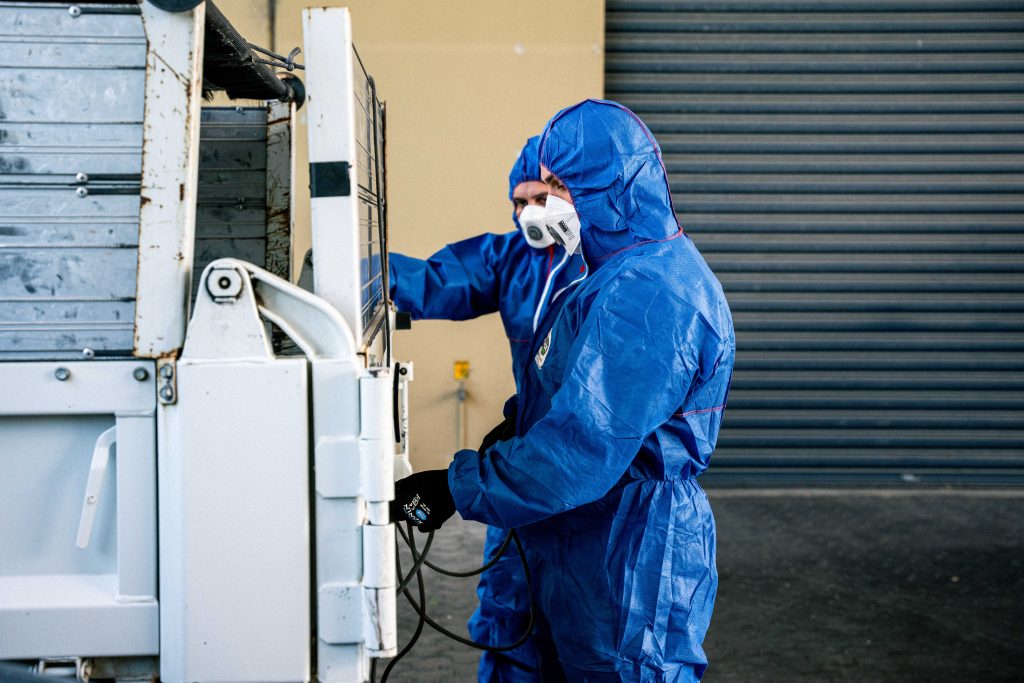
Containment relies on a combination of physical barriers, sealed entry points, and, for friable asbestos, negative air pressure systems maintaining continuous inward airflow. Any openings connecting the work area to the rest of the building, including shared ductwork, are sealed or isolated. Workers pass through a dedicated decontamination area before leaving the site, preventing fibres from being carried out on clothing or equipment, and all cleaning within the enclosure is done using HEPA-filtered vacuums rather than sweeping or dry dusting, which could disturb settled fibres.
What Happens After Asbestos Removal Is Completed?
Once removal is finished, the enclosure undergoes thorough cleaning, followed by an independent clearance inspection. For friable asbestos work specifically, this includes formal air monitoring to confirm airborne fibre levels have dropped below the legislated safety threshold. Only after this inspection is passed can the containment be dismantled and the space returned to normal use.
Is Air Testing Required After Asbestos Removal?
Yes, for all friable asbestos removal work, air monitoring is a mandatory requirement under the WHS Regulation 2017, covering background levels before work starts, control monitoring during the job, and clearance monitoring once it’s finished. For non-friable asbestos removal, air monitoring isn’t strictly mandated by law, but it’s still widely recommended, particularly for larger commercial jobs, to confirm surrounding areas haven’t been affected and to support a more robust clearance outcome.
What Certificate Do You Receive After Asbestos Removal?
You’ll receive a clearance certificate, issued by an independent, licensed asbestos assessor who was not involved in carrying out the removal itself. This independence is a legal requirement, removal companies are not permitted to certify their own work. For friable asbestos removal, the certificate must be backed by air monitoring data confirming fibre levels are below the legislated threshold. For non-friable work, clearance can be issued by a competent person or licensed assessor following a thorough visual inspection.
How Do You Know a Commercial Property Is Safe After Asbestos Removal?
The clearance certificate is your formal, documented assurance that the property is safe to reoccupy. It should reference the visual inspection carried out, and for friable asbestos, the supporting air monitoring results confirming fibre levels are below the national exposure standard. Keeping this certificate on file, alongside your asbestos register and any updated management plan, gives you a clear paper trail confirming the work was completed properly and independently verified.
Get a Clear, Compliant Removal Process for Your Business
Understanding the process is one thing, having it managed properly from start to finish is what actually protects your business and everyone in it. Our licensed team handles commercial asbestos removal from initial containment through to independent clearance certification, with clear communication throughout so you know exactly what to expect. Contact us today to discuss your commercial asbestos removal project.