


Every November, Asbestos Awareness Month reminds Australians of a simple truth — asbestos is still with us. Despite being banned over 20 years ago, it remains hidden in one in three homes and countless workplaces across the country. Whether you’re a homeowner, tradie, property manager, or construction professional, understanding your responsibilities — and risks — could save a life.
At BreathEasy Asbestos, we believe knowledge is the first step to prevention. Here’s everything you need to know about asbestos in Australia: where it hides, how to manage it safely, and why it still matters today.
What Is Asbestos and Why Was It Used?
Asbestos is a naturally occurring mineral once praised for its strength, heat resistance, and affordability. It was widely used in Australian construction from the 1940s until the late 1980s — in walls, roofs, floor tiles, fences, pipes, insulation, and more.
But there was a deadly catch: when asbestos fibres become airborne and are inhaled, they can cause asbestosis, lung cancer, and mesothelioma — an aggressive cancer with no cure.
Australia was one of the highest consumers of asbestos per capita in the world. The full ban on manufacture, import, supply, and use of all asbestos products came into force on 31 December 2003.
Where Asbestos Might Still Be Found
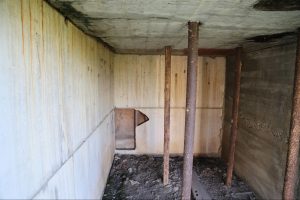
Even though it’s banned, asbestos is still present in:
- Homes built or renovated before 1990 (this includes many Victorian terraces and Federation style houses)
- Commercial and industrial buildings constructed before 2004
Common locations include:
- Roof sheeting and eaves (AC sheeting / fibro)
- Wall cladding
- Kitchen and bathroom splashbacks
- Vinyl floor tiles and backing
- Fencing and shed linings
- Electrical switchboards
- Guttering, downpipes, and water drainage pipes
- Flues and insulation materials
If you’re unsure — assume asbestos is present until proven otherwise by a professional.
Asbestos in Commercial Properties: Your Responsibilities Under Australian Regulations
Asbestos laws for commercial properties and worksites are governed under the Model Work Health and Safety (WHS) Regulations and enforced by each state or territory’s safety regulator.
1. Workplaces Must Have an Asbestos Register
If asbestos is present or likely to be present in a workplace, the person with management or control (the PCBU) must:
- Prepare and maintain an asbestos register
- Record the location, type, and condition
- Update it when asbestos is removed, disturbed, or newly identified
- Provide it to anyone carrying out work that could involve asbestos
No register is required for buildings constructed after 31 December 2003 where no asbestos is present or likely to be.
2. Asbestos Management Plans (AMP)
If asbestos is found, a written Asbestos Management Plan is mandatory. It must:
- Identify asbestos locations and risks
- Include safe work procedures and control measures
- Outline emergency and incident response
- Be reviewed at least every five years or sooner if conditions change
- Be accessible to workers and contractors
3. Before Renovation or Demolition
If you’re planning demolition, refurbishment, or major maintenance on a building built before 2004:
- Review the asbestos register
- Identify and remove asbestos before work begins
- Provide updated information to all contractors
Failing to do so can result in heavy penalties and endanger lives.
What Tradies and Construction Workers Need to Know
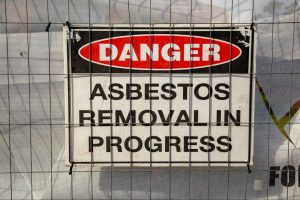
Tradies are among the most at-risk groups for asbestos exposure. Drilling, cutting, grinding, or sanding old materials can release microscopic asbestos fibres into the air — fibres that are easily inhaled and deadly over time.
Protect yourself:
- Stop work immediately if you suspect asbestos.
- Never use power tools or high-pressure water on asbestos materials.
- Wear appropriate PPE and RPE (P2 respirator minimum) if authorised and trained.
- Report unsafe asbestos practices — in NSW, use the SafeWork “Speak Up” app or call 131 050. Other states have equivalent hotlines.
You have the right to refuse unsafe work. Your health comes first.
The Loose-Fill Asbestos Insulation Register for Old Homes
Important Information for Renters, Landlords and Property Managers
Not all asbestos is visible or contained within cement or vinyl materials. One of the most dangerous forms is loose-fill asbestos insulation (LFAI) — raw asbestos fibres that were hand-poured into roof spaces as insulation, most commonly between the 1960s and 1970s.
In New South Wales, properties affected by loose-fill asbestos insulation are recorded on the Loose-fill Asbestos Insulation Register, maintained under the Home Building Act 1989.
What the Register Does
The Loose-fill Asbestos Insulation Register lists all NSW properties that have tested positive for loose-fill asbestos, as confirmed by NSW Fair Trading.
It helps:
- Inform emergency services, tradespeople, councils, and the public of properties affected
- Support tenants, buyers, and property managers in making informed decisions
- Ensure disclosure in property sales and tenancy agreements
You can search the register on the NSW Government website by entering a property address to see if it has tested positive for loose-fill asbestos insulation.
How Properties Are Added
A property is added to the register when:
- A licensed asbestos assessor inspects the site and collects samples.
- A NATA-accredited laboratory confirms the presence of loose-fill asbestos.
- NSW Fair Trading verifies the result and lists the property address on the public register.
Properties listed on the register must display a warning tag, and the local council must note the listing on section 10.7 planning certificates, which appear on property sale contracts.
When an Address Isn’t Found
If an address does not appear on the register, it doesn’t necessarily mean it’s asbestos-free — only that it hasn’t tested positive.
As a tenant, if you’re concerned that a property might contain loose-fill asbestos, contact:
- The homeowner or managing agent, and
- A licensed asbestos assessor to arrange a professional inspection.
Removing a Property from the Register
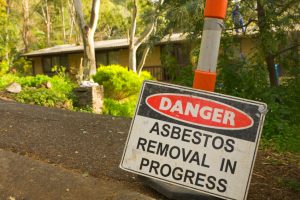
A property is removed from the register only when:
- The affected premises have been demolished,
- The land has been remediated, and
- A clearance certificate confirms the site is asbestos-free.
After this, the local council updates planning records and removes the asbestos disclosure requirement.
Guidance for Tenants: What to Do if You’re Concerned
If you are renting a property and are worried about possible asbestos — particularly loose-fill asbestos insulation — there are clear steps you can take:
- Ask your landlord or property manager if the property has been tested for asbestos.
- Check the Loose-fill Asbestos Register on the NSW Government website to see if the address is listed.
- Request documentation, such as air or dust monitoring reports, from the landlord. If these are not provided, you can contact NSW Fair Trading for assistance.
- Seek medical advice from your GP if you are worried about exposure risks.
If Your Property Is Listed
If you discover that your rental property is affected by loose-fill asbestos insulation:
- You may choose to continue living there if you are comfortable doing so and the property remains safe.
- If you wish to leave, you can terminate your lease:
- By giving 21 days’ notice if you are outside the fixed term, or
- By negotiating early termination with your landlord or agent if you’re within a fixed term.
If you experience difficulties ending your lease, lodging a complaint with NSW Fair Trading can help mediate or resolve the issue.
Remember, your health and safety come first. You have the right to live in a safe environment.
What Homeowners and Property Managers Should Know
If you’re buying, selling, or renting a property built before 1990:
- Be aware that asbestos disclosure is now part of national best practice.
- Property owners and agents are encouraged (and in some jurisdictions, required) to inform buyers and tenants if asbestos is present.
In NSW, if a rental property is listed on the Loose-fill Asbestos Insulation Register, it is a material fact that must be disclosed to all prospective tenants.
All standard NSW tenancy agreements now include a clause stating whether the property is listed on the register. Property managers and landlords have a legal and ethical responsibility to ensure tenants are properly informed before signing a lease.
Failure to disclose this information may result in penalties and can invalidate parts of a tenancy agreement.
The Asbestos Safety and Eradication Agency provides national fact sheets for:
- Buyers and sellers
- Renters and landlords
- How to arrange a residential asbestos assessment
If you’re planning home improvements, do not disturb anything you suspect may contain asbestos — call in a licensed asbestos assessor.
Managing vs Removing Asbestos: What’s Safer?
Not all asbestos needs to be removed immediately.
If it’s non-friable (bonded) and in good condition, managing it in place — with labeling, sealing, and monitoring — may be safer than disturbing it. However, if you are looking to renovate or have some maintenance done, it is important that you have non-friable asbestos removed by a licensed professional. It is legal for a homeowner or tradesperson to remove less than 10sqm of friable asbestos yourself but it is HIGHLY RECOMMENDED NOT TO DO SO.
If the asbestos is friable (crumbly) or damaged, it should only ever be handled or removed by a licensed Class-A asbestos removalist.
Any amount of friable asbestos removal is a regulated activity under WHS laws — never attempt it yourself.
The Human Impact: Why Awareness Matters
Each year, around 4,000 Australians die from asbestos-related diseases — more than the national road toll.
Mesothelioma can take decades to develop after exposure. Many victims are tradies, maintenance workers, and DIY renovators who were simply unaware of the risks.
Asbestos doesn’t discriminate. Awareness saves lives.
Take Action This Asbestos Awareness Month
This November, take a few minutes to protect yourself, your team, or your family:
- Check if your home was built before 1990 or workplace was built before 2004
- If it has been, assume asbestos is present unless confirmed otherwise
- Engage a licensed professional before disturbing any material
- Label and record asbestos locations in your workplace
- Educate others — share this information
Visit asbestossafety.gov.au and safeworkaustralia.gov.au for official resources and state-specific guidance.
To get more involved, you can also choose to host a Blue Lamington Drive with asbestosawareness.com.au and register your community event.
Final Word from BreathEasy Asbestos
At BreathEasy Asbestos, our mission is to protect Australians from hidden asbestos dangers through education, inspection, and safe removal.
This Asbestos Awareness Month, let’s all breathe a little easier — by staying informed, alert, and asbestos-aware.
If you suspect asbestos in your home or workplace, don’t risk it.
Reach out to our licensed team for testing, assessment, or management support today.
Because when it comes to asbestos, what you can’t see can hurt you — but what you know can protect you.

